The Art of the Long Game: A Comprehensive Guide to Strategic Bankroll Management
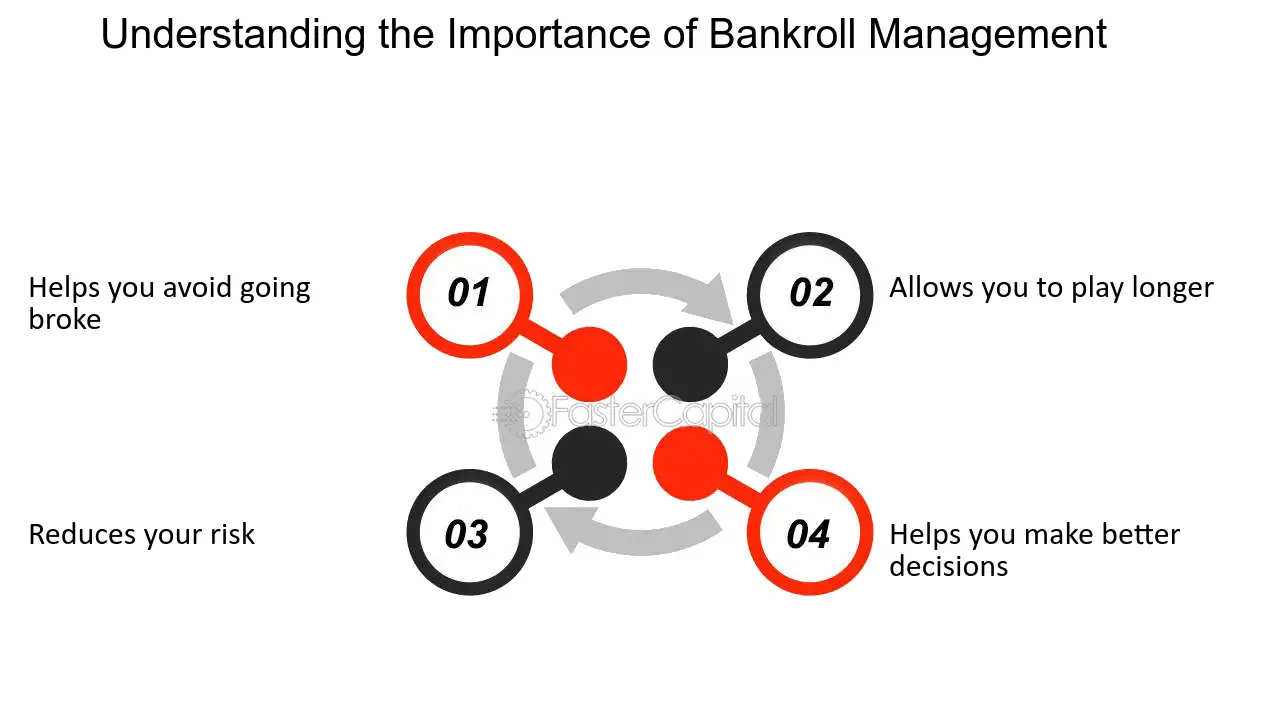
In the high-stakes world of sports betting and gaming, the ultimate edge isn’t your ability to pick a winner—it’s your ability to survive the inevitable losses. Most bettors don’t go bust because they lack intuition; they go bust because they lack a rigorous mathematical system. To transition from a “gambler” to a “disciplined bettor,” you must stop viewing your funds as a casual slush fund and start treating them like a business capital account.
1. The Foundation: Defining the Sacred Bankroll
Your bankroll is a dedicated sum of money set aside strictly for wagering. The cardinal rule of professional ยูฟ่าเบท play is that this must be “disposable income”—capital that, if lost entirely, would not impact your ability to pay rent, buy groceries, or maintain your lifestyle.
By mentally and physically separating this fund from your daily finances, you remove the heavy emotional weight of a loss. When you bet with “scared money”—money you actually need for bills—you are neurologically prone to making desperate, irrational decisions. An isolated bankroll provides the psychological clarity needed to execute a strategy with clinical, cold-blooded precision. It transforms a loss from a personal crisis into a simple “business expense.”
2. The Power of “Units.”
Consistency is built on the concept of Units. Instead of betting random amounts based on a fleeting “gut feeling” or a “hot tip,” you should bet a fixed percentage of your total bankroll on every single play. This is the only way to withstand the natural variance—or luck—inherent in any game of probability.
- Conservative (The Pro Standard): 1% to 2% of bankroll per bet.
- Moderate: 2% to 3% of bankroll per bet.
- Aggressive: 4% to 5% of bankroll per bet (The absolute ceiling).
For example, if your bankroll is $1,000, a 1% “Unit” is exactly $10. Whether you feel “locked in” or are just exploring a new market, your stake remains disciplined. This rigid structure acts as a financial seatbelt, protecting you from the inevitable cold streaks that even world-class professional handicappers face. It ensures that one bad weekend doesn’t end your season prematurely.
3. Selecting Your Staking Strategy
How you apply those units determines your long-term growth and risk profile. There are two primary schools of thought:
| Strategy | Mechanism | Best For… |
| Flat Betting | You bet exactly 1 unit on every game, regardless of your current balance or the odds. | Beginners seeking maximum stability and simplicity. |
| Proportional Betting | You bet a % of your current bankroll. As your balance grows, your bets grow; if it drops, your bets drop. | Experienced bettors looking to compound wins and minimize the risk of ruin. |
| Confidence Modeling | You scale your bet (e.g., 1 unit for a standard play, 2 units for a “max” play) based on your perceived edge. | Advanced bettors with a proven, data-backed track record. |
4. Rigorous Record Keeping and Analysis
You cannot manage what you do not measure. A successful bettor maintains a detailed log—be it a spreadsheet or a tracking app—to record every transaction. To truly gain an edge, you should track:
- The date, event, and specific market.
- The type of bet (Spread, Moneyline, Over/Under).
- The closing line vs. the line you took (to measure “closing line value”).
- The result and net profit/loss.
Over time, this data reveals your “leaks.” You might discover you are highly profitable in NFL totals but lose consistently on NBA parlays. This insight allows you to pivot your strategy, cutting the losing habits and doubling down on your high-ROI areas.
5. Psychological Warfare: Avoiding the “Chase.”
The greatest threat to a bankroll isn’t a bad team; it’s the Revenge Bet. After a frustrating loss, the human instinct is to double the next bet to “get even” or recover losses quickly. This is a mathematical trap known as the Gambler’s Fallacy, and it leads to total liquidation.
True discipline is the ability to lose three bets in a row and place the fourth bet at the same unit size without flinching. Emotional detachment is your greatest asset. By sticking to the math during losing streaks, you ensure you are still at the table when the winning streak inevitably arrives.
Bankroll management isn’t about getting rich overnight; it’s about variance mitigation and long-term sustainability. If you have a winning strategy, the only thing that can stop you is running out of money before the math catches up. Register ufabet (สมัคร ufabet), treat your bankroll like a professional fund, focus on the process rather than the daily profit, and consistency will follow. Remember: the goal isn’t just to win the bet; it’s to stay in the game long enough to win the war.