The Business of Luxury Entertainment: Inside the High-End Digital Casino Economy
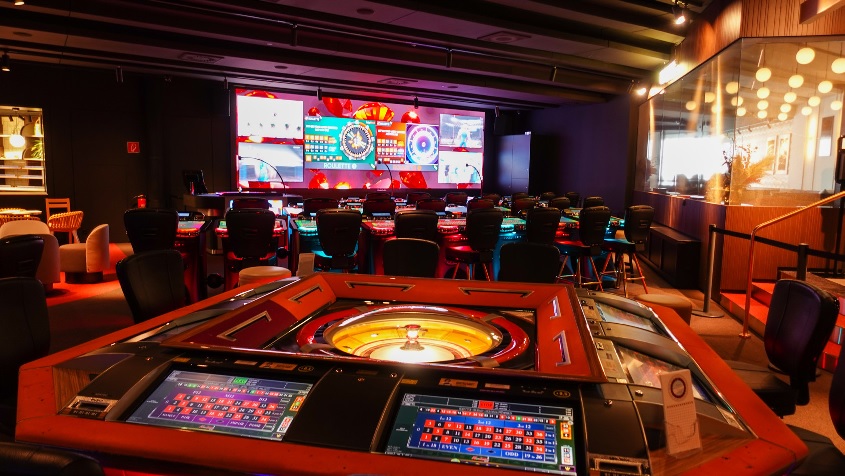
The global leisure economy is going through a real shift right now — wallet share is bleeding away from legacy brick-and-mortar hospitality toward premium digital platforms, and it’s happening faster than most industry veterans expected. For decades, land-based casino resorts had a firm grip on high-stakes glamour and VIP treatment. That grip is gone. A new generation of luxury online casino platforms has stepped in, pulling the attention of ultra-wealthy players through frictionless digital experiences, smart gamification, and genuinely immersive technology. By blending the mechanics of high-end concierge services with modern SaaS architecture, these platforms aren’t just copying Las Vegas — they’re rewriting what luxury entertainment actually means for today’s high roller.
What Is the “Digital Velvet Rope” in the Modern Leisure Economy?
The “Digital Velvet Rope” is a strategic framework where high-end online casinos build exclusivity through personalized digital access, invite-only tiers, and cryptographic status symbols — not physical space. It moves the definition of luxury away from geographic exclusivity toward curated, data-driven personal experiences.
In physical venues, VIP status gets signaled through private rooms and velvet barriers you can actually touch. In the digital space, operators like Flutter Hall Casino and Caesars Palace Online Casino replicate that feeling through sophisticated super-apps and algorithmic personalization. If you’re part of the elite digital leisure economy, your velvet rope is a smart contract or an invite-only login portal — one that quietly unlocks high-stakes tables never visible to the general public. That artificial scarcity drives serious audience engagement and keeps the compound annual growth rate (CAGR) of premium iGaming platforms climbing.
Mistake #1: Assuming Digital Lacks Status Signaling
Why people make it: They equate luxury solely with physical goods and tangible spaces.
Consequence: Brands miss out on capturing the growing demographic of digital-first high rollers.
Correction: Operators must integrate digital assets, such as exclusive NFT avatars or cryptographic badges, to allow high-net-worth individuals to signal their status within the platform’s ecosystem.
How Do Live Dealer Technologies Recreate the High-End Casino Floor?
Live dealer tech recreates the high-end casino floor by streaming real-time 4K ultra-HD video from purpose-built studio environments directly to players’ devices — bridging digital convenience with something that actually feels like tactile, physical gaming. Advanced cinematic casino broadcasting and real-time motion tracking do most of the heavy lifting here.
The evolution has been genuinely striking. Early online table games ran purely on random number generators (RNG) — functional, sure, but sterile and solitary in a way that never quite worked for serious players. Today, studios like NetEnt and Pragmatic Play run live casino operations that rival proper television production sets. Professional live hosts run the tables while engaging players through responsive chat, blending high-stakes betting with actual human interaction in a way that felt impossible ten years ago.
That whole experience runs on HTML5, which means, as Jackpotinside states, digital transformation in resorts and gaming extends cleanly to mobile — no degradation, no friction. But choosing live dealer for the authenticity factor does come with a real trade-off: these streams eat bandwidth, and they don’t move at the rapid-fire pace of automated RNG games. For luxury consumers, though, the trust and social validation they deliver aren’t optional. They’re the whole point.
What Are the Unspoken Economics of Digital VIP and High-Roller Programs?
Digital VIP economics work by swapping out traditional physical comps for algorithmic personalization, dedicated digital concierge services, and bespoke betting limits designed to hold onto players and maximize wallet share. Cut the overhead of hotel suites and complimentary dinners, and suddenly there’s real capital to reinvest — into better odds, faster crypto withdrawals, and lifestyle rewards that actually mean something to this demographic.
Land-based casinos spend enormous amounts on physical retention. Digital platforms take a different path — they use AI to watch gameplay patterns and adjust rewards in real time. If a high roller hits a rough stretch, an AI-driven system can flag it instantly and prompt a dedicated account manager to step in with a tailored rebate or a well-timed luxury gift. That kind of intervention doesn’t happen by accident; it’s calibrated, precise, and designed to stop churn before it starts.
How Are Luxury Brands Partnering with Digital Casinos?
Luxury brands from fashion, automotive, and premium spirits are pushing into digital casino VIP ecosystems for one clean reason: direct access to high-net-worth individuals who are already in an active leisure-spending mindset. Instead of standard digital bonuses, the smarter platforms are locking in partnerships with luxury watchmakers and high-end travel agencies to offer rewards that feel genuinely exclusive.
A high roller reaching top-tier status might unlock an invitation to a private Grand Prix viewing party or land a piece of limited-edition designer apparel. The dynamic works for both sides — the casino builds brand equity by aligning with established luxury names, while the luxury brand gets data-rich, direct access to a highly qualified pool of proven spenders. It’s a cleaner acquisition channel than most luxury marketers have access to elsewhere.
What Will the Future of Virtual Reality Casino Entertainment Look Like?
The future of VR casino entertainment is heading toward fully immersive metaverse gambling platforms — places where players navigate real 3D luxury casino rooms through VR headsets, interact with other players’ avatars, and place wagers using blockchain technology. The shift moves the industry from flat 2D interfaces into spatial, genuinely social digital environments.
VR and AR integration is set to fundamentally change how high-stakes digital gaming works. Players won’t just click a screen. They’ll turn their heads to read the room, pick up on the tells of nearby avatars, and physically handle virtual chips. And underpinning all of that visual depth will be provably fair gaming — smart contracts and cryptocurrencies like Bitcoin and Ethereum keeping the whole thing transparent in ways legacy systems simply can’t match.
VR hardware still has real limitations that slow mass adoption — I don’t think anyone serious is pretending otherwise. But the direction is clear. Live dealer 4K streaming replaced the old automated interfaces; immersive VR will eventually become the default for premium digital casinos in the same way. The platforms that figure out how to bring spatial computing, decentralized finance, and high-end entertainment together into something that actually works will own the next decade of the leisure economy. That’s not a guarantee — but it’s a very reasonable bet.